case study
FINE CHAOS: a full range of packshots, from photos the brand already had.
Packshot Studio produced the AW26 pre-release e-commerce packshots for FINE CHAOS, an independent Copenhagen fashion brand. 18 garments were delivered as clean on-white, ghost-mannequin hero images — generated by AI from the on-model photos the brand already had, and each one reviewed by a human against the real garment before delivery. As of July 2026, 19 product pages on fine-chaos.com lead with a packshot produced this way. No new shoot, no sample shipping.
What was delivered
Source material: the brand's existing on-model campaign and e-commerce photography — plus, for one garment below, phone photos taken in the store.
Before and after — three garments from the range
Left: the on-model photo the brand already had. Right: the delivered packshot that now leads the product page. Both are shown unedited at web resolution.
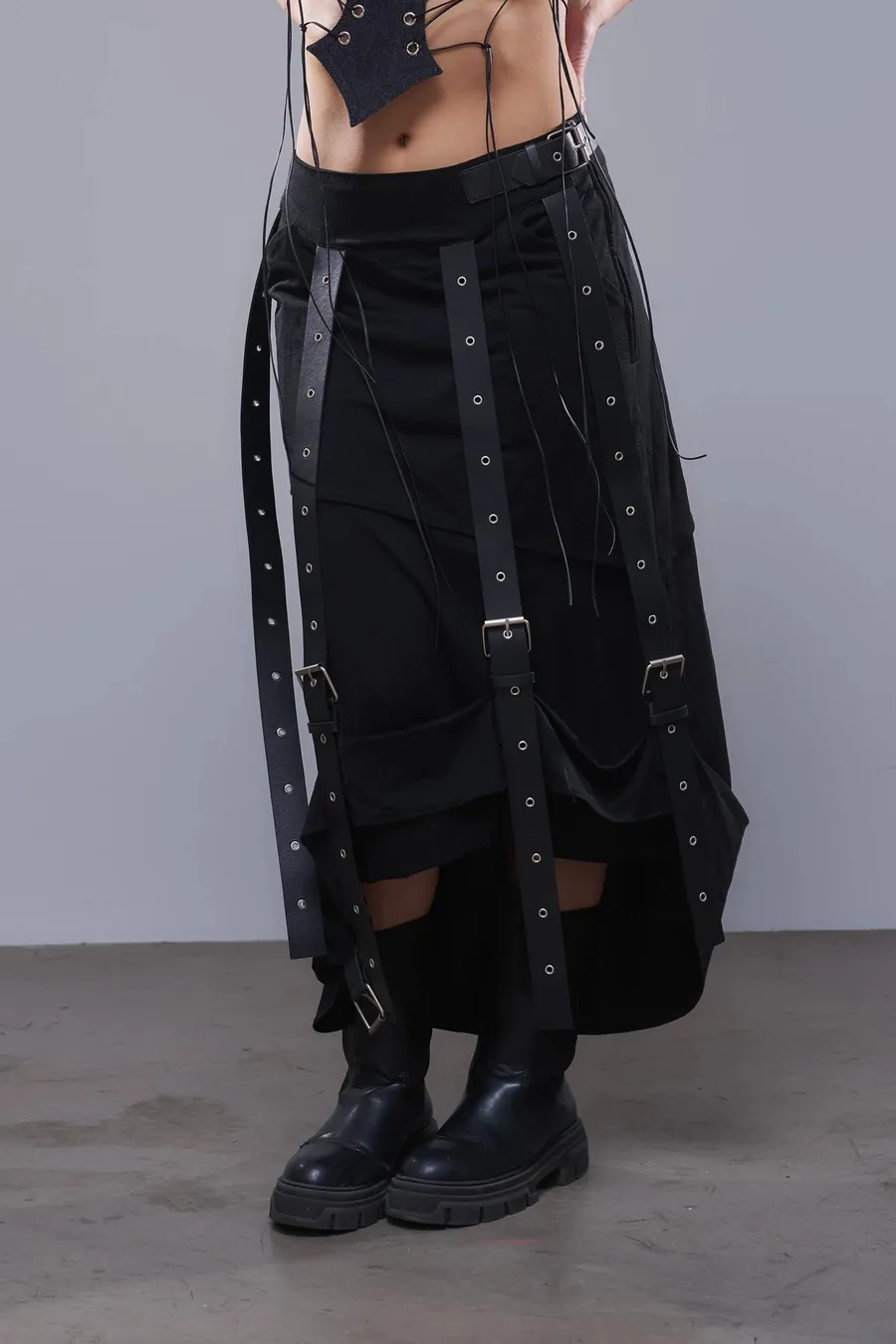 Before · existing on-model photo
 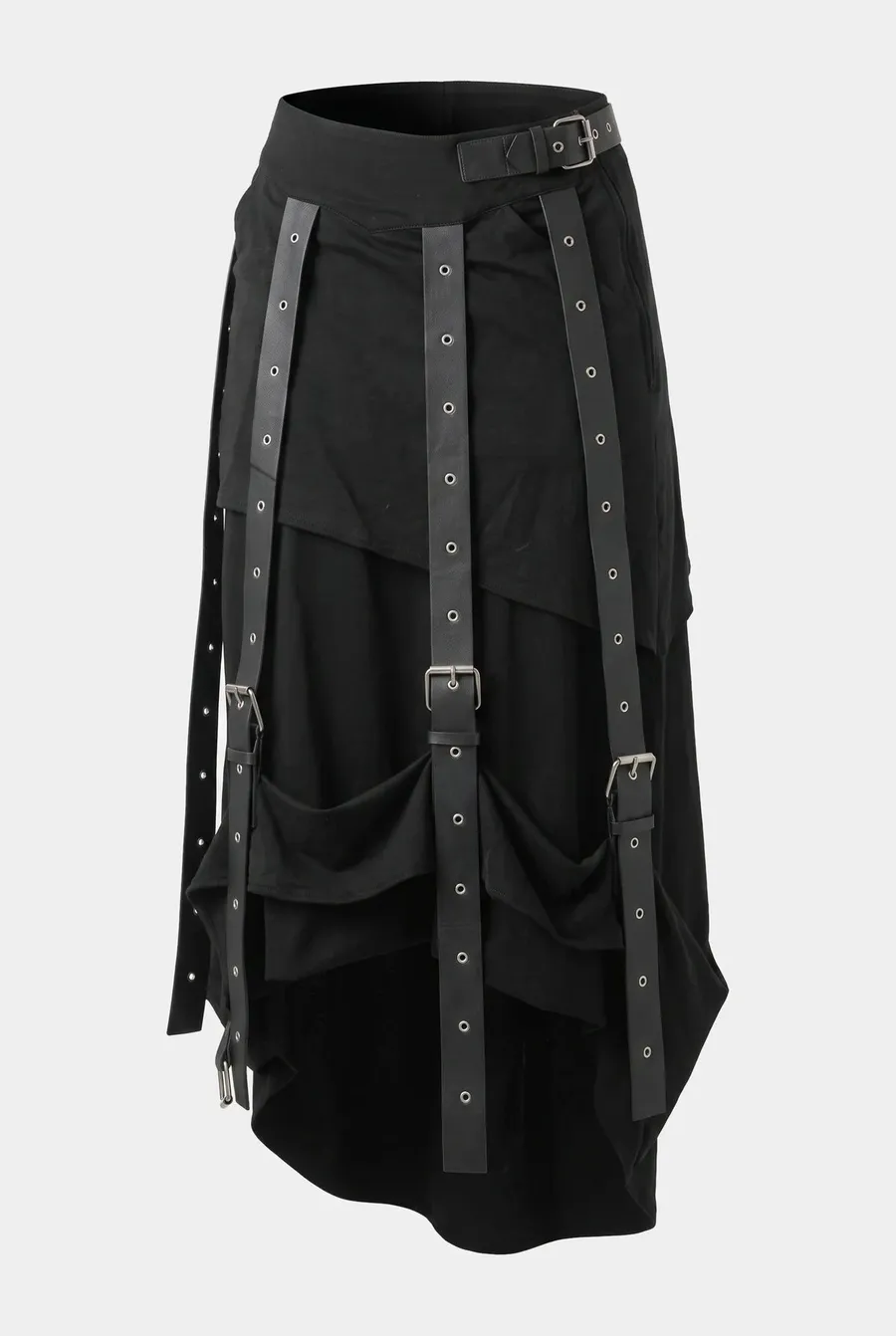 After · delivered packshot
 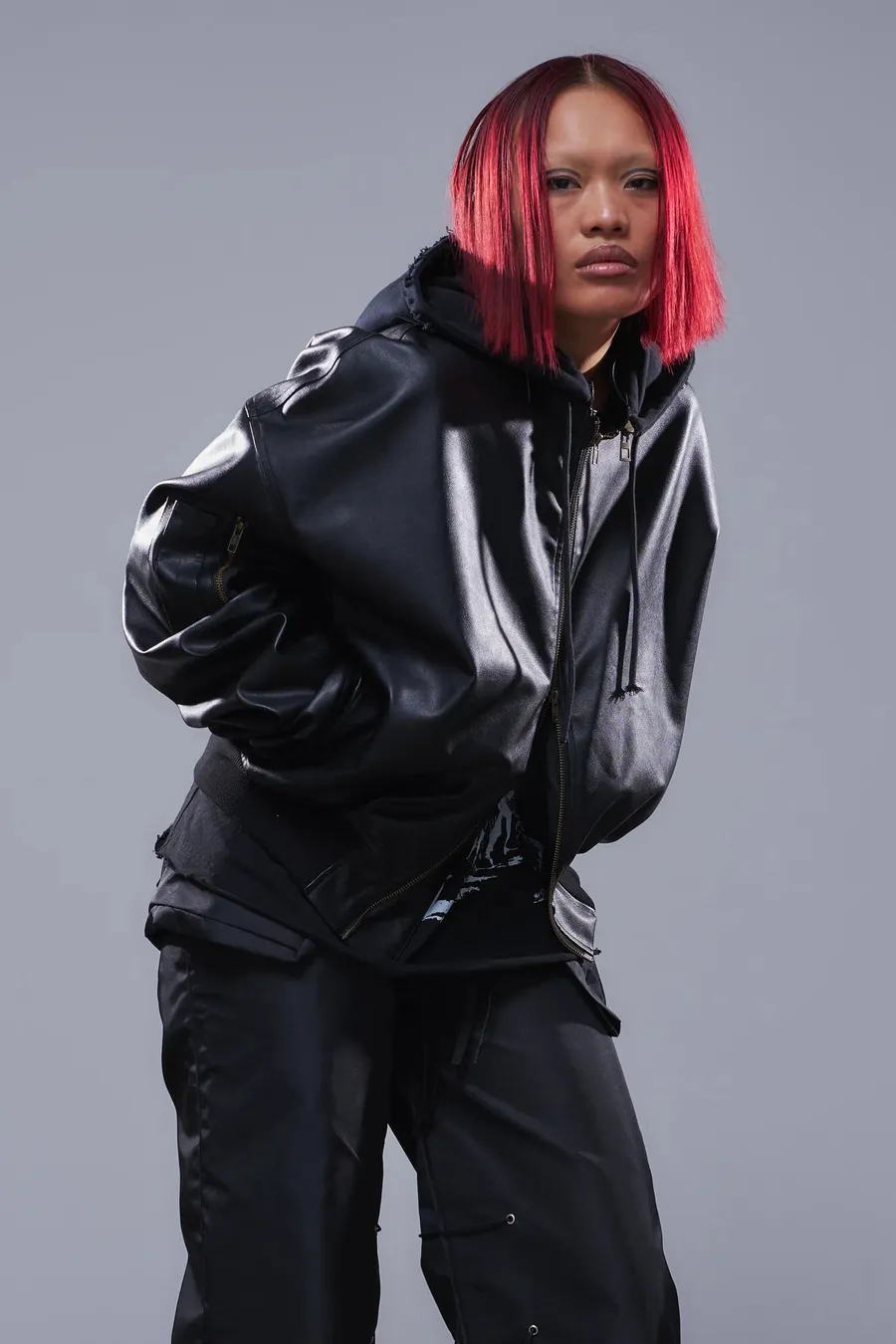 Before · existing on-model photo
 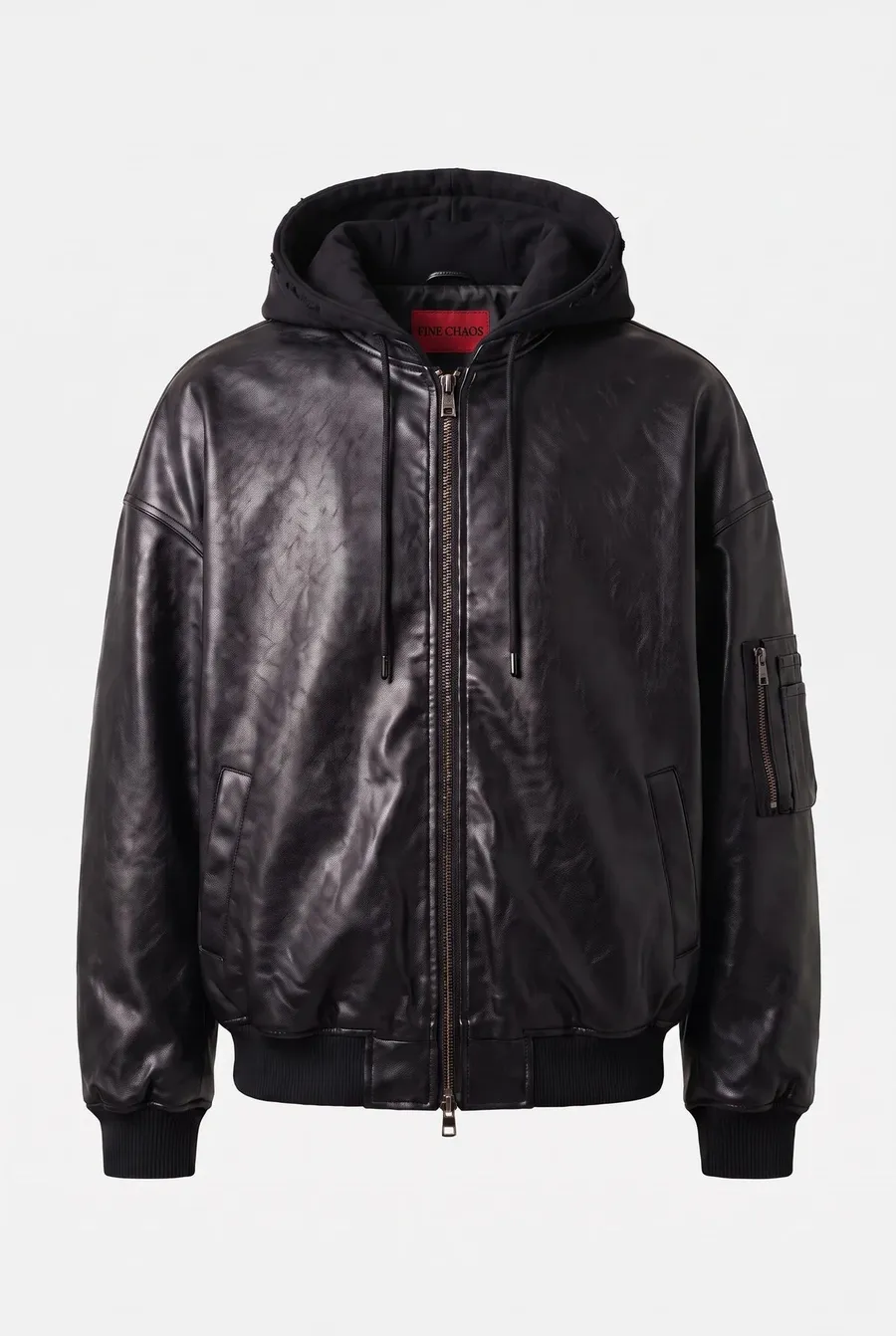 After · delivered packshot
 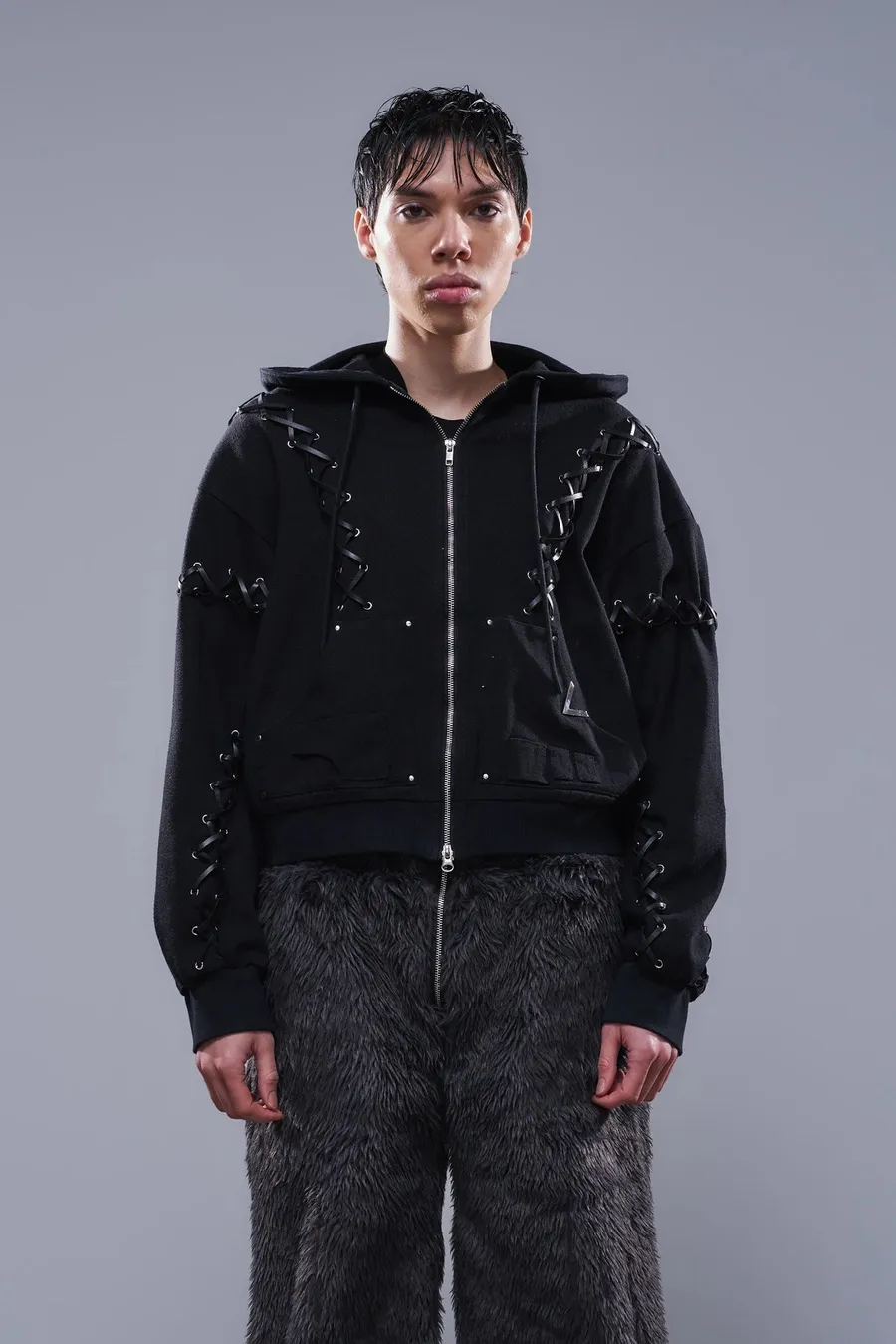 Before · existing on-model photo
 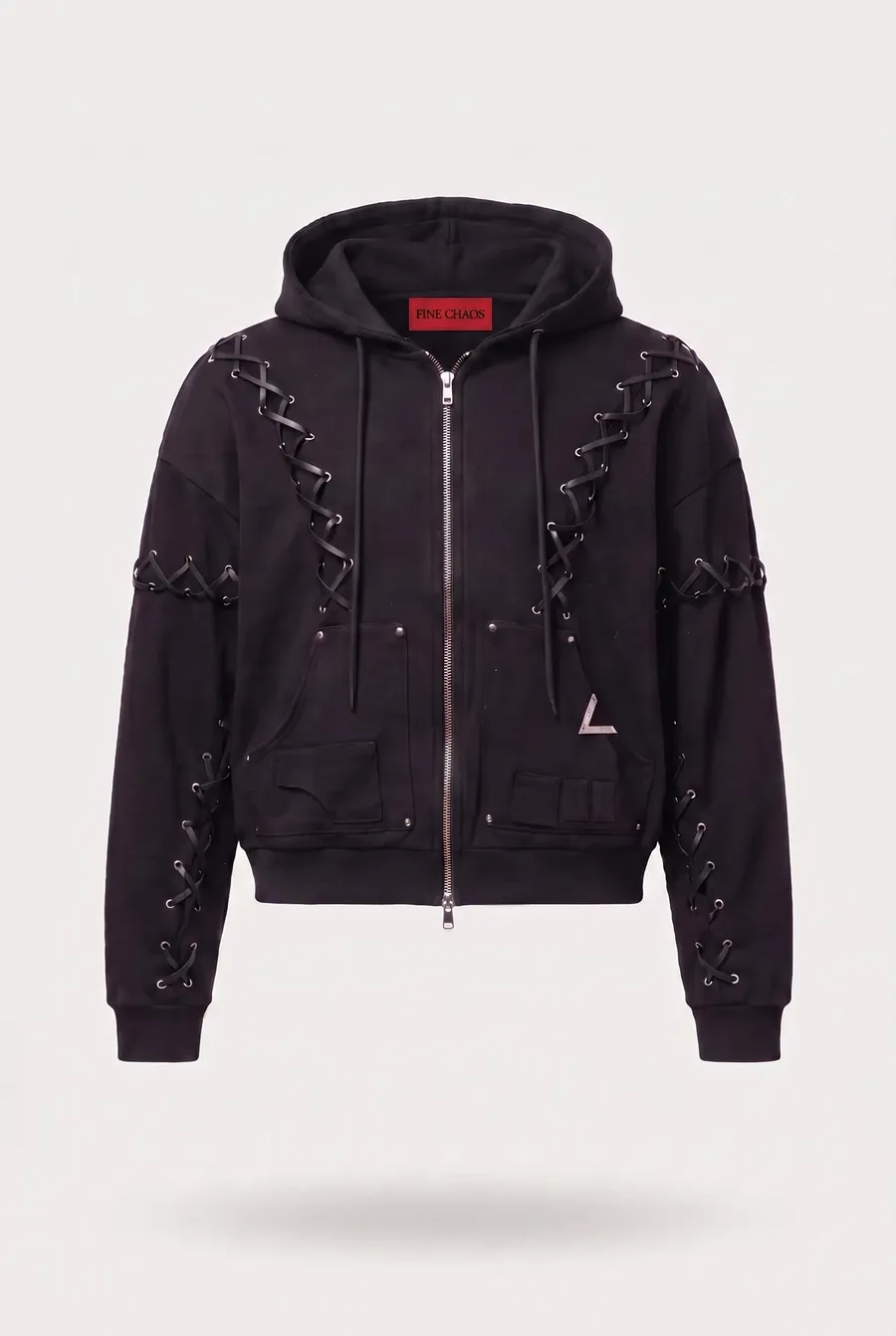 After · delivered packshot
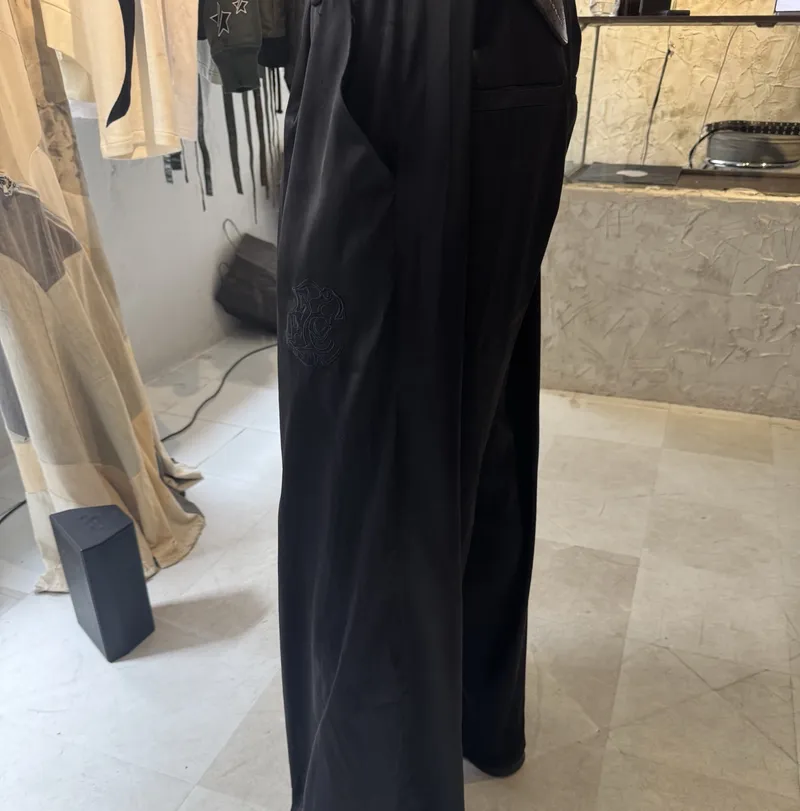
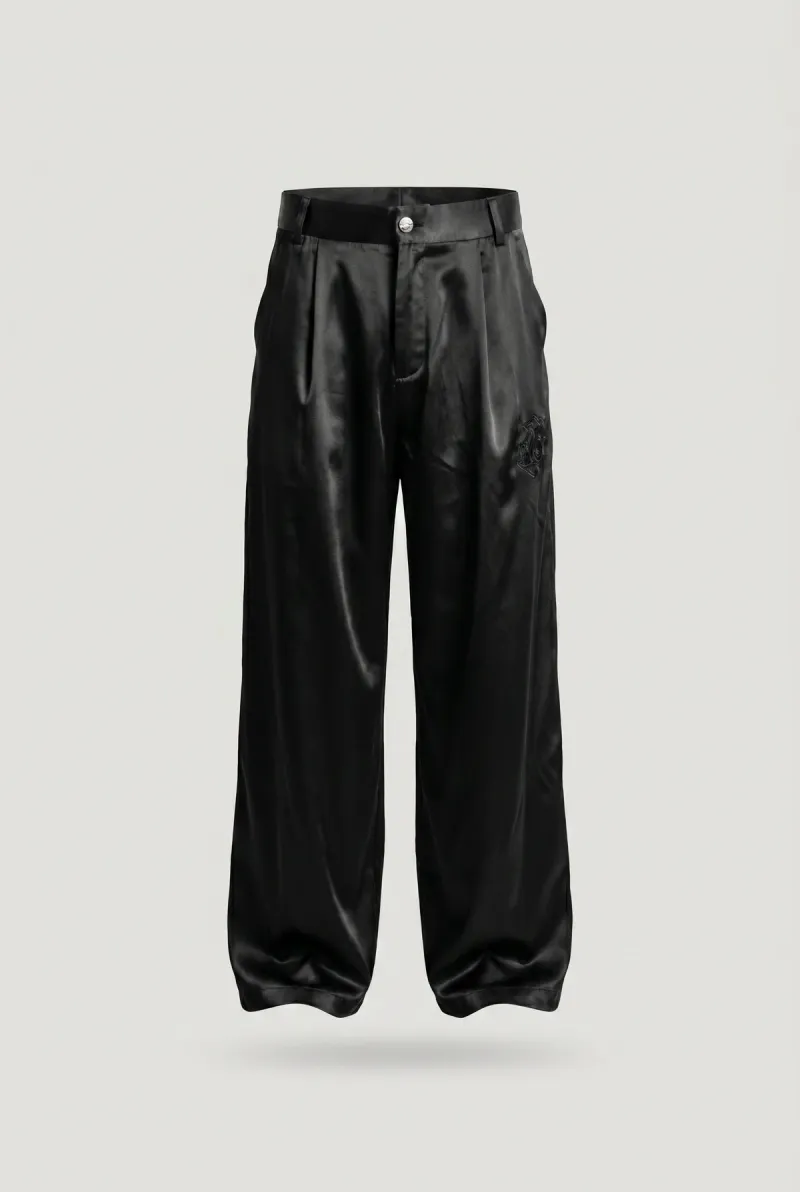
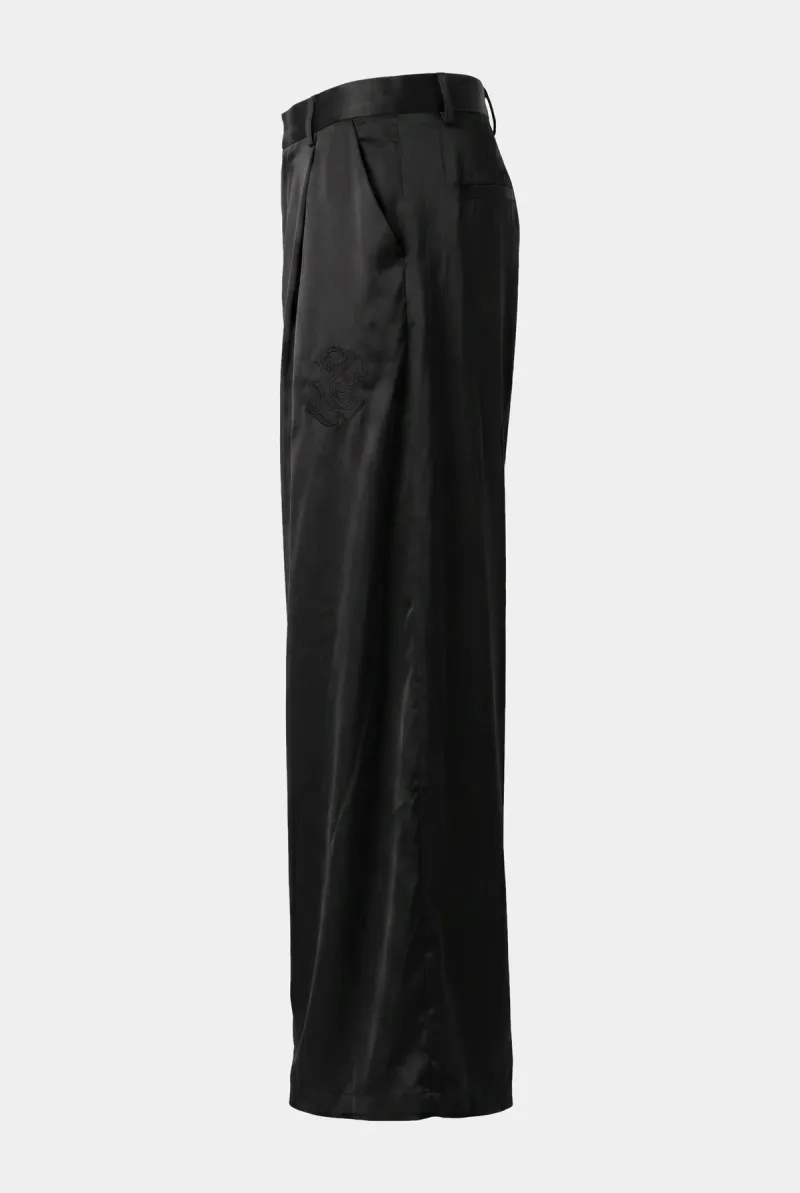
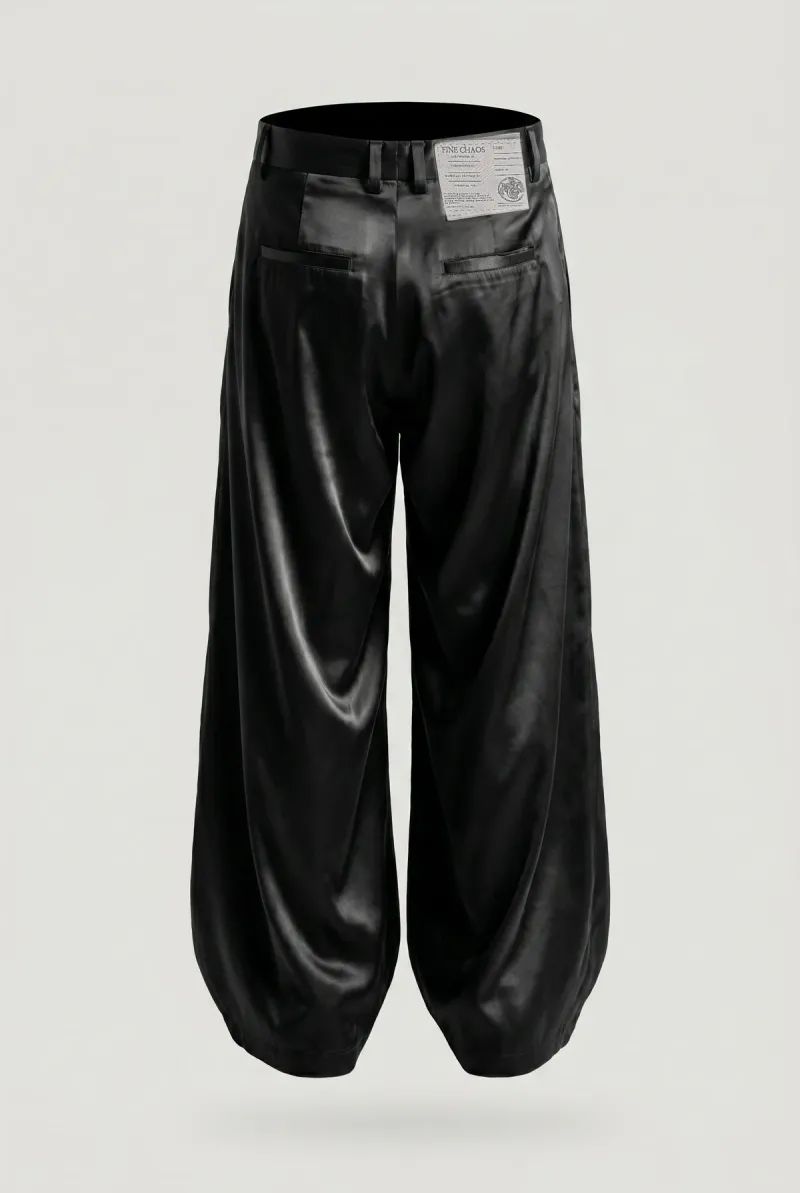
 It also works from a phone photo
One pair of satin wide-leg trousers had no usable photography at all — only phone photos of the sample on a mannequin, taken in the store. From those, three ghost-mannequin angles were generated and reviewed. The delivered files are shown unedited.
How the run actually went
Each garment started from the source images the brand already had. The generation step produced a candidate packshot; a human reviewer then compared it against the real garment — silhouette, construction, colour, material, and any text or hardware — before anything was delivered or published.
Ten of the eighteen garments passed that review on the first generation. The other eight were rejected and re-run, some more than once. The rejections are the informative part: a coated denim that read as leather, a colour that drifted because a spec sheet disagreed with the photo, construction details the model invented that the real garment doesn't have. None of those reached the webshop — catching them is what the review step is for.
The first review wasn't the last word either. A second, independent review pass over the delivered set later caught further drift on several garments — a skirt whose layered drape had been flattened, a colourway that had shifted — and those heroes were re-run and replaced on the webshop as well. The packshots shown on this page are the versions that survived both passes.
Two patterns from the run, for anyone evaluating this kind of work: woven and embroidered garment text reproduced reliably from a good source crop, while large printed graphics were the hardest case. And detail that exists in the source — distressing, eyelets, hardware — carried through well; the failure mode to watch for is invention or omission, not reproduction. That is what the against-the-garment review checks.
Frequently asked questions
- What did Packshot Studio deliver for FINE CHAOS?
- Packshot Studio produced the AW26 pre-release e-commerce packshots for FINE CHAOS: 18 garments delivered as clean on-white, ghost-mannequin hero images, generated by AI from on-model photos the brand already had. As of July 2026, 19 product pages on fine-chaos.com lead with a packshot produced this way. No new photo shoot took place and no samples were shipped.
- Is FINE CHAOS a real client?
- FINE CHAOS is a real, independent Copenhagen fashion brand — and it is also our founder’s own label. Ludvig Isaksen founded both companies, and this range is where the Packshot Studio process was built and first used in production. We name it because we own it and can show the work with full permission; we state the relationship openly so you can weigh the case study accordingly.
- Are the FINE CHAOS packshots AI-generated?
- Yes. Every packshot in this case study was generated by AI from the brand’s existing on-model photography and then reviewed by a human against the real garment before delivery. The same disclosure appears on the FINE CHAOS work itself and across this site.
- Did every image pass review on the first try?
- No. Of the 18 garments in the run, 10 passed human review on the first generation and 8 needed one or more revision passes before delivery. A second, independent review pass later caught further drift on several delivered heroes, and those were re-run and replaced as well. Rejections were for things like colour drift, invented construction details, or material misreads — which is exactly what the per-image human review exists to catch. We publish these numbers because a review step that never rejects anything would not mean much.
- Where can I see the results live?
- On fine-chaos.com. Product pages such as the Heavy Jersey Skirt, the Hooded Leather Jacket, and the Laced Hoodie lead with the delivered packshots, with the brand’s original on-model photography alongside them.
See it on your own products, free.
Send a few images and we'll produce a reviewed sample set — from the images you already have, no shoot required.
Get a free sampleAI-generated product photography. Every image is created by AI from your existing images and reviewed before delivery. FINE CHAOS imagery shown with permission; the on-model source photographs are the brand's own photography and are not AI-generated.